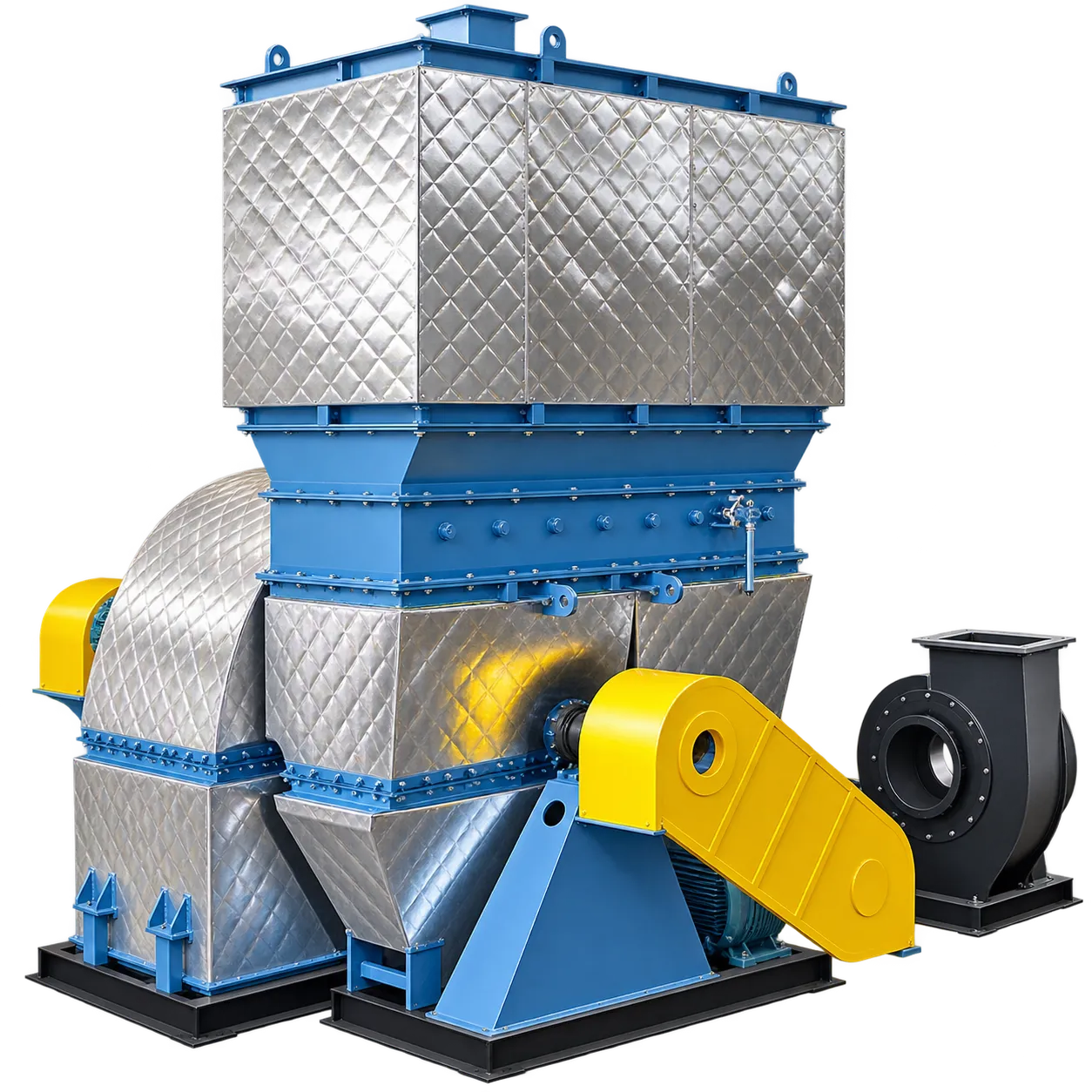
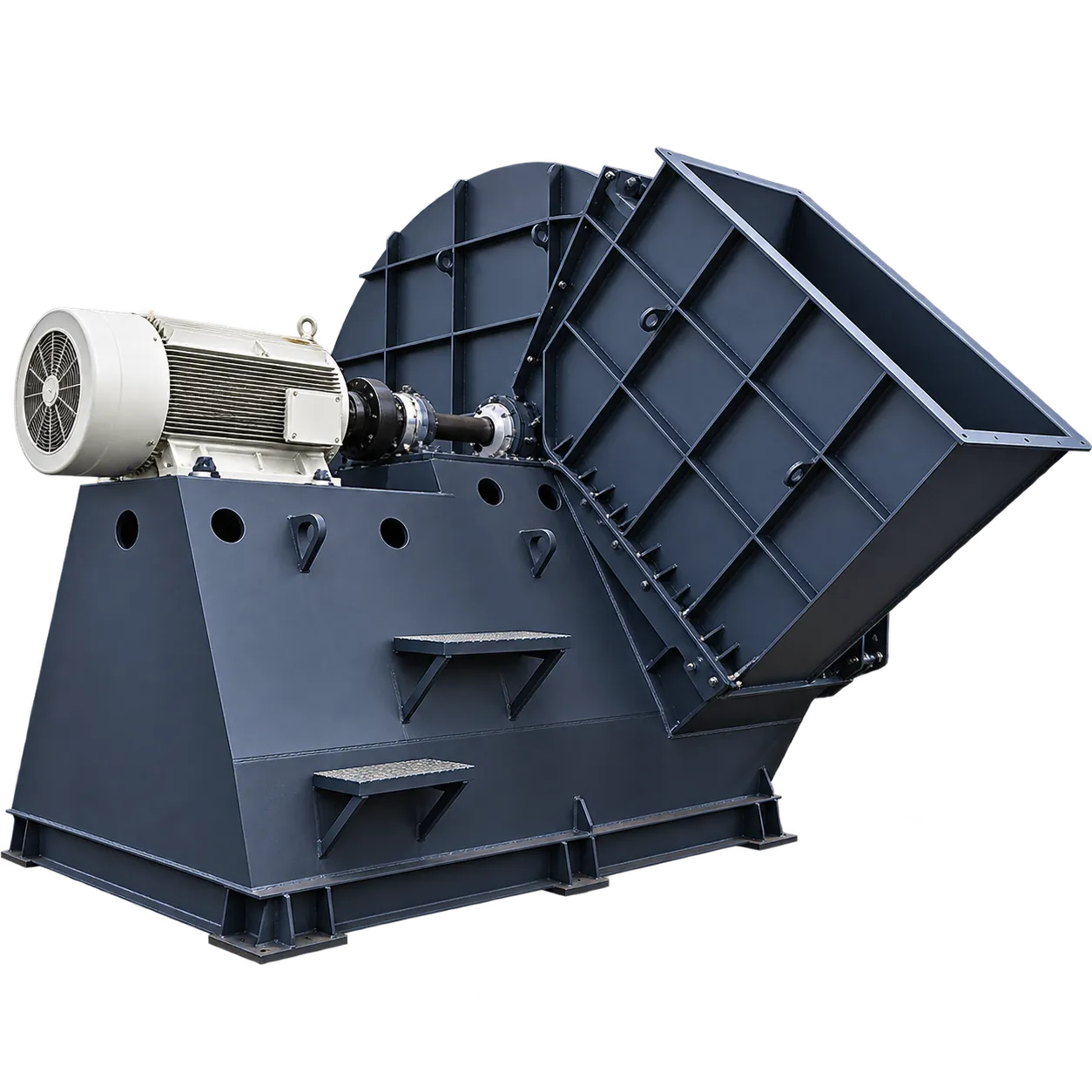
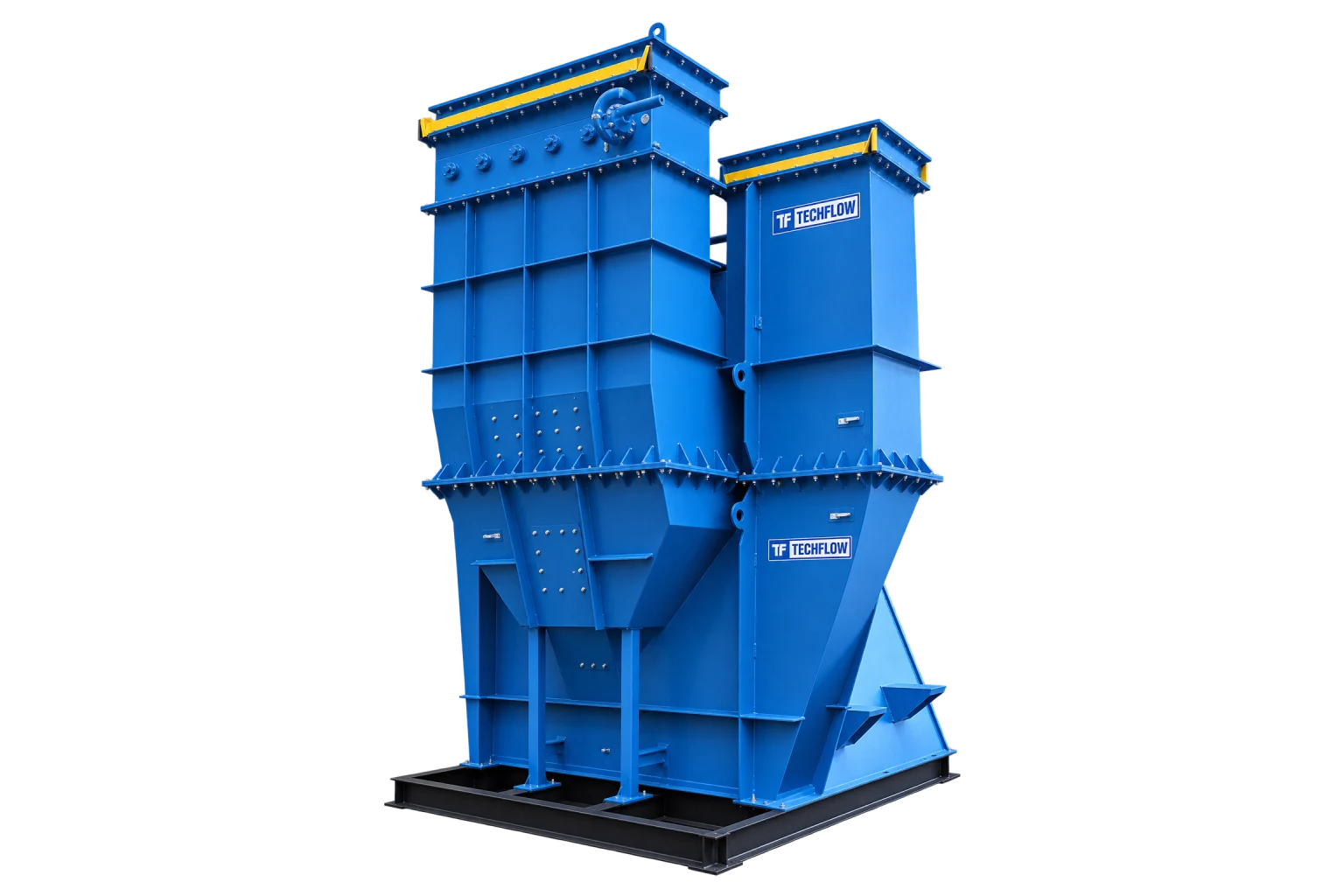
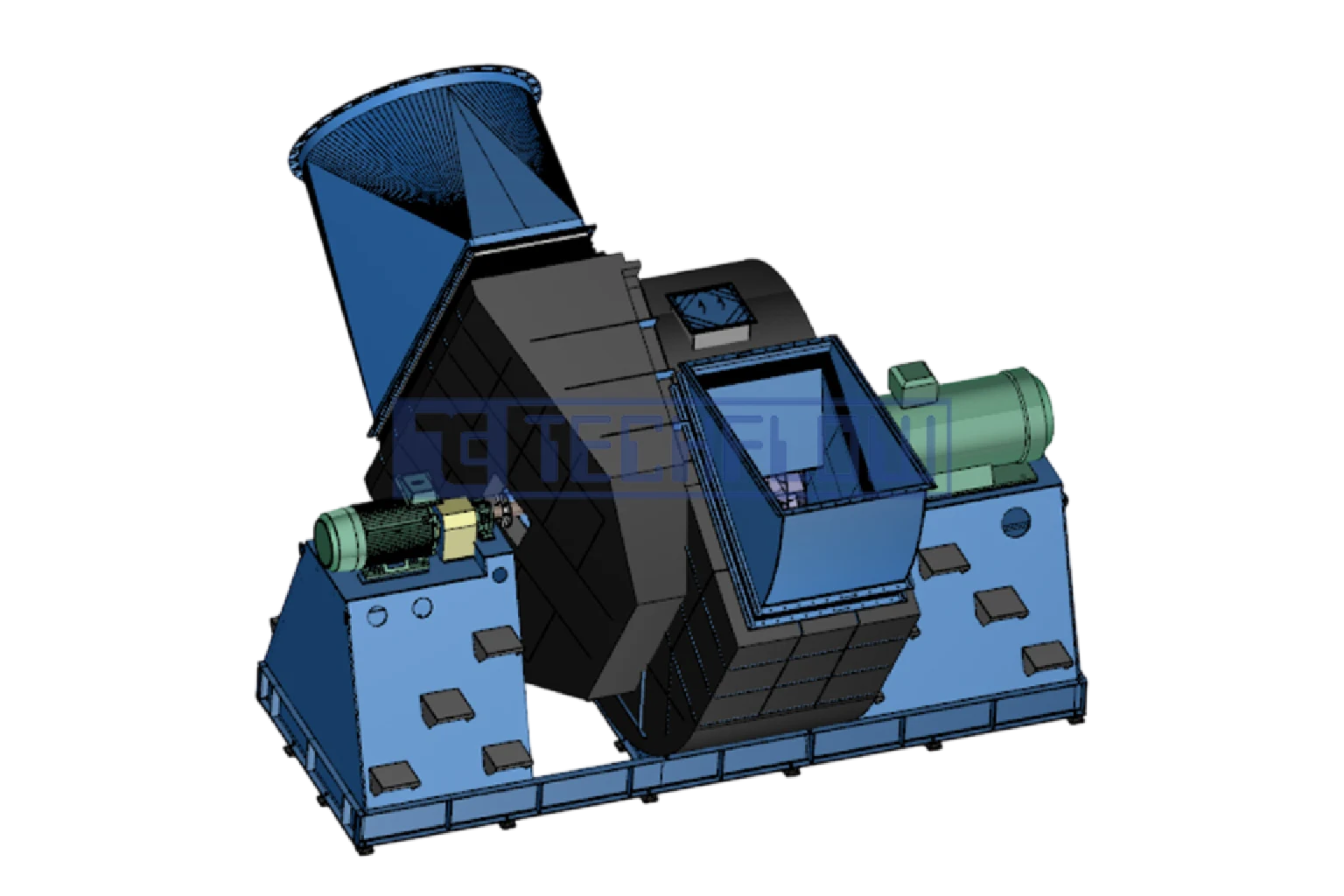
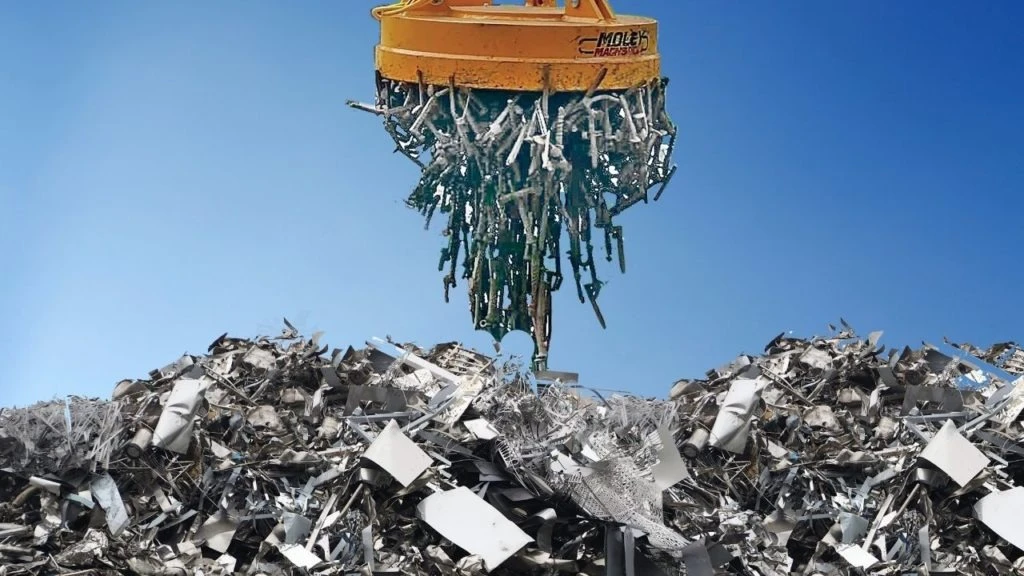
Material recycling plants play a crucial role in reducing waste and protecting the environment. However, these facilities generate significant amounts of dust and other airborne contaminants, which can pose a health hazard to workers and neighboring communities. To address this issue, dust collection systems are used in material recycling plants to capture and filter airborne particles.
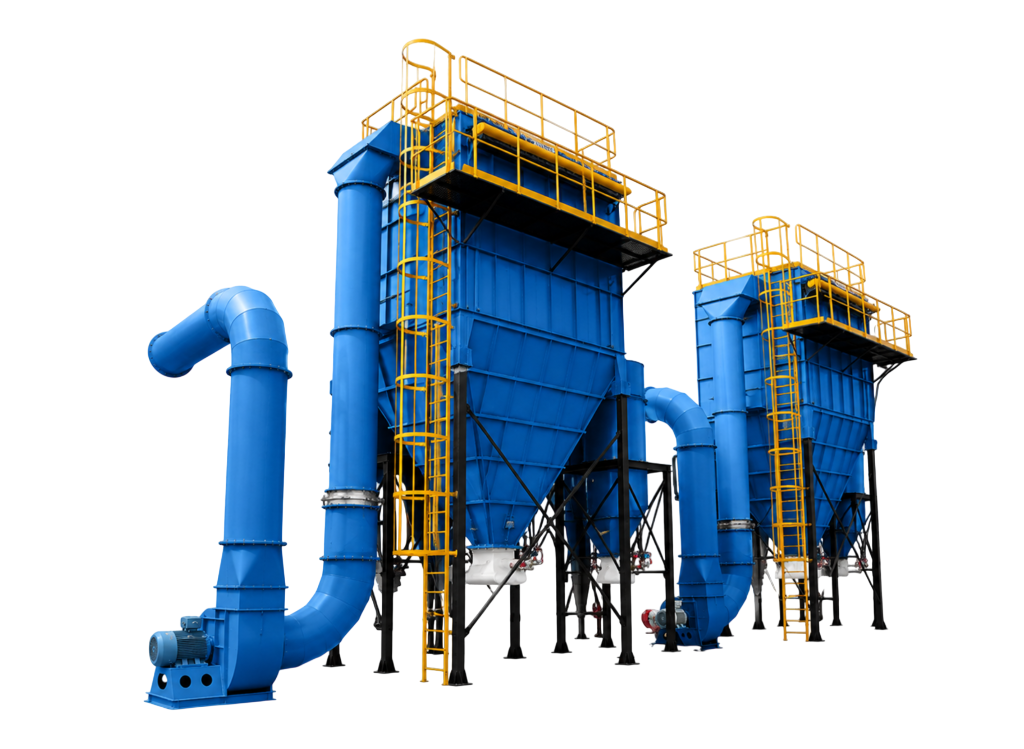
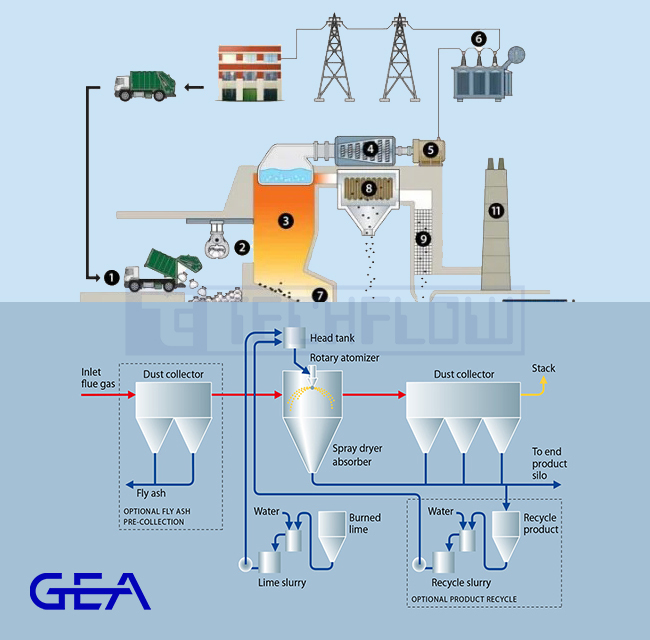
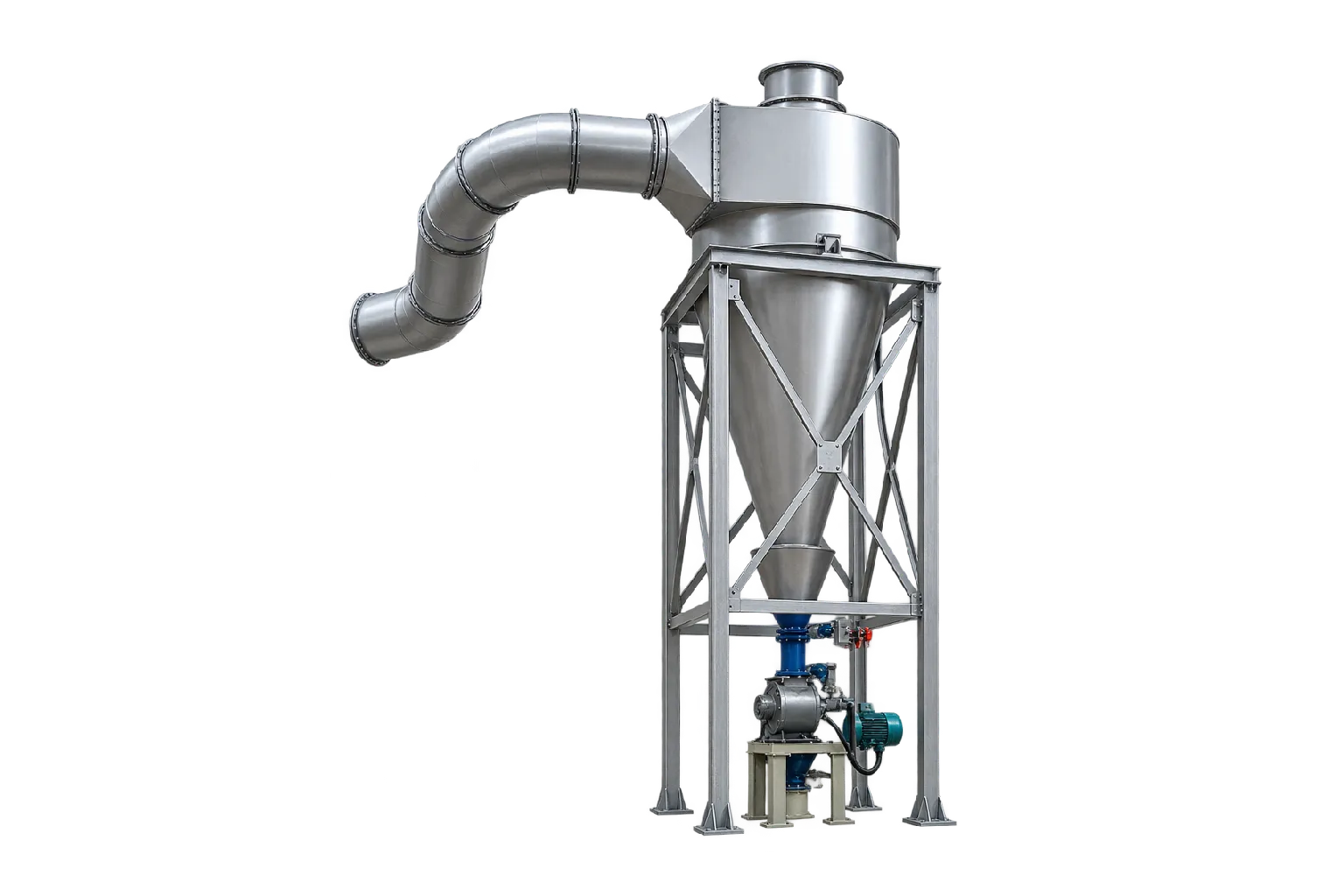
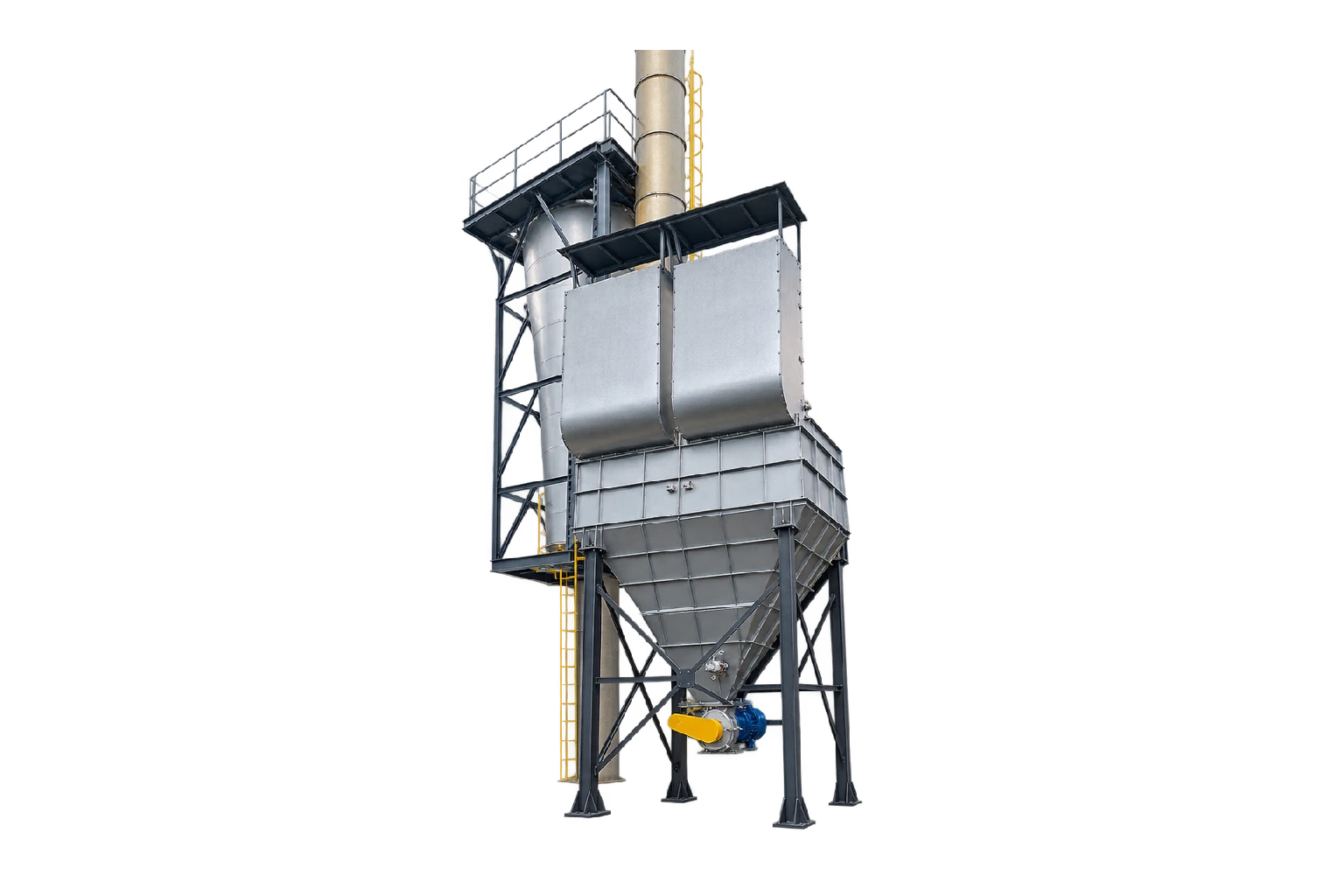
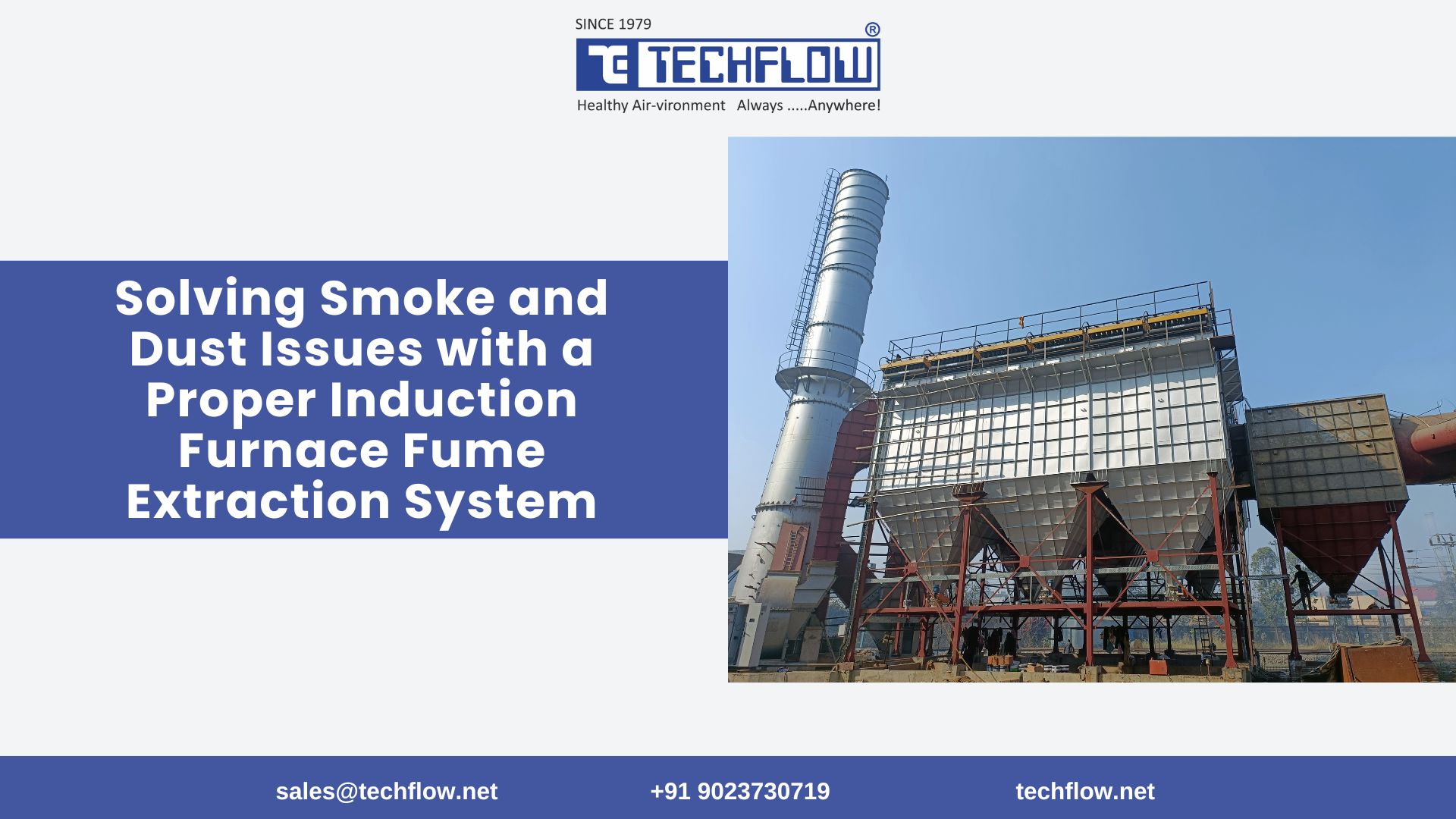
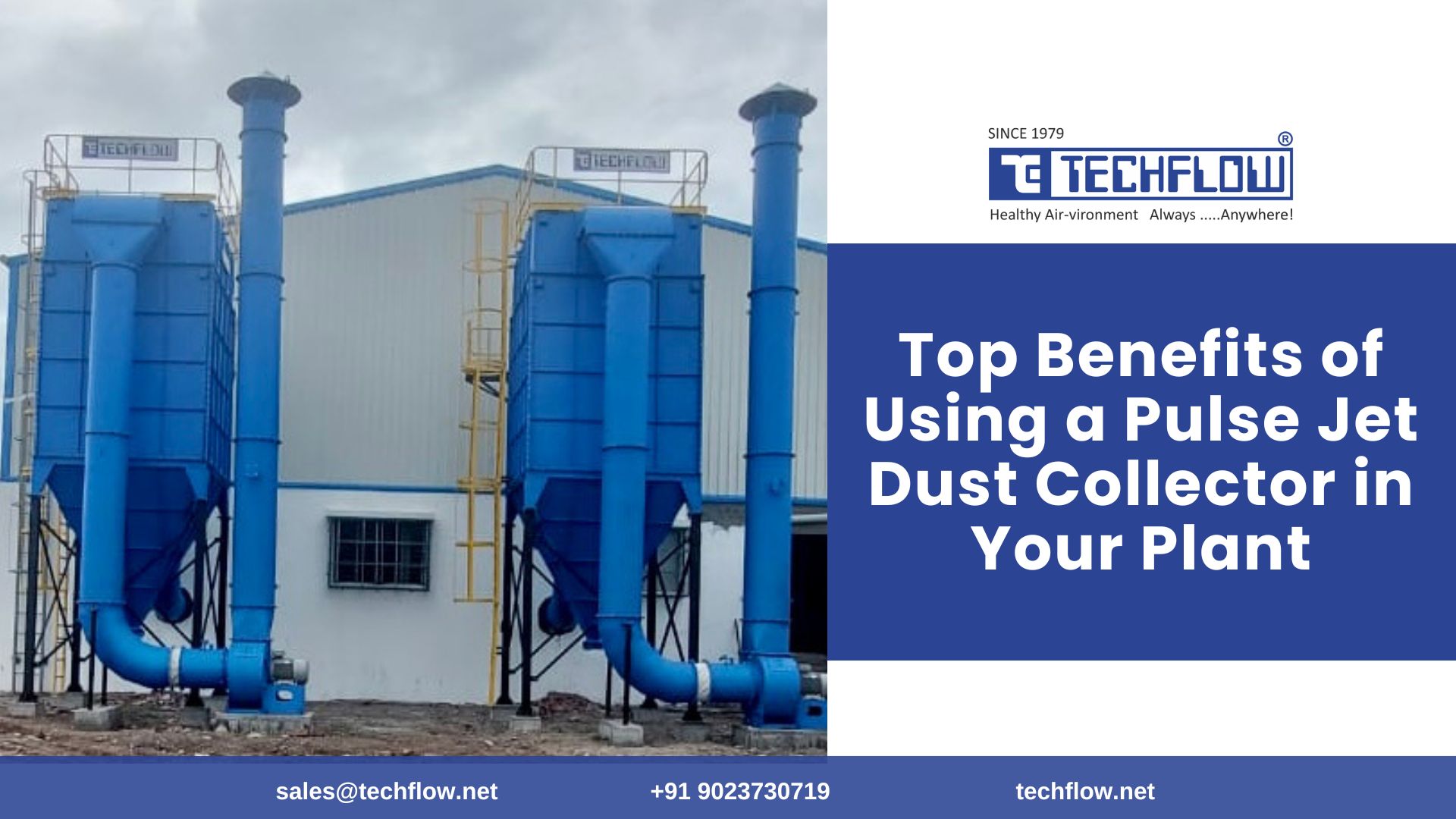
Dust collection systems in material recycling plants are designed to handle a wide range of materials, including plastics, metals, glass, and paper. These systems use a combination of technologies, such as cyclones, bag filters, and wet scrubbers, to capture and remove dust particles from the air.
By effectively removing airborne contaminants, dust collection systems in material recycling plants help to maintain a clean and safe working environment, protecting workers from respiratory illnesses and other health hazards. Moreover, these systems also help to reduce the impact of the plant’s operations on the environment by preventing the release of harmful particles into the air.
Dust collection system suppliers can provide customized solutions to meet the specific needs of material recycling plants. They can help to design, install, and maintain the system, ensuring optimal performance and regulatory compliance. By working with a reliable dust collection system supplier, material recycling plants can improve their operational efficiency, reduce costs, and enhance their reputation for sustainability and environmental stewardship.
In summary, dust collection systems are an essential component of material recycling plants, providing a safe and healthy working environment and protecting the environment. By partnering with a dust collection system supplier, material recycling plants can benefit from customized solutions that improve their operations, enhance regulatory compliance, and promote sustainability.