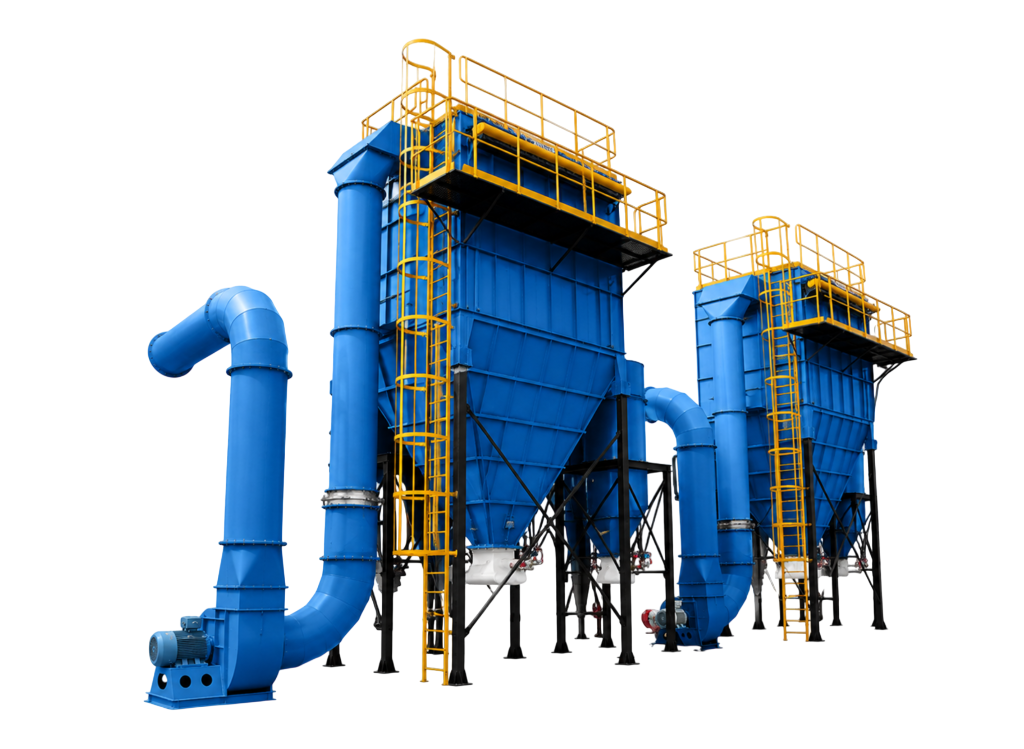
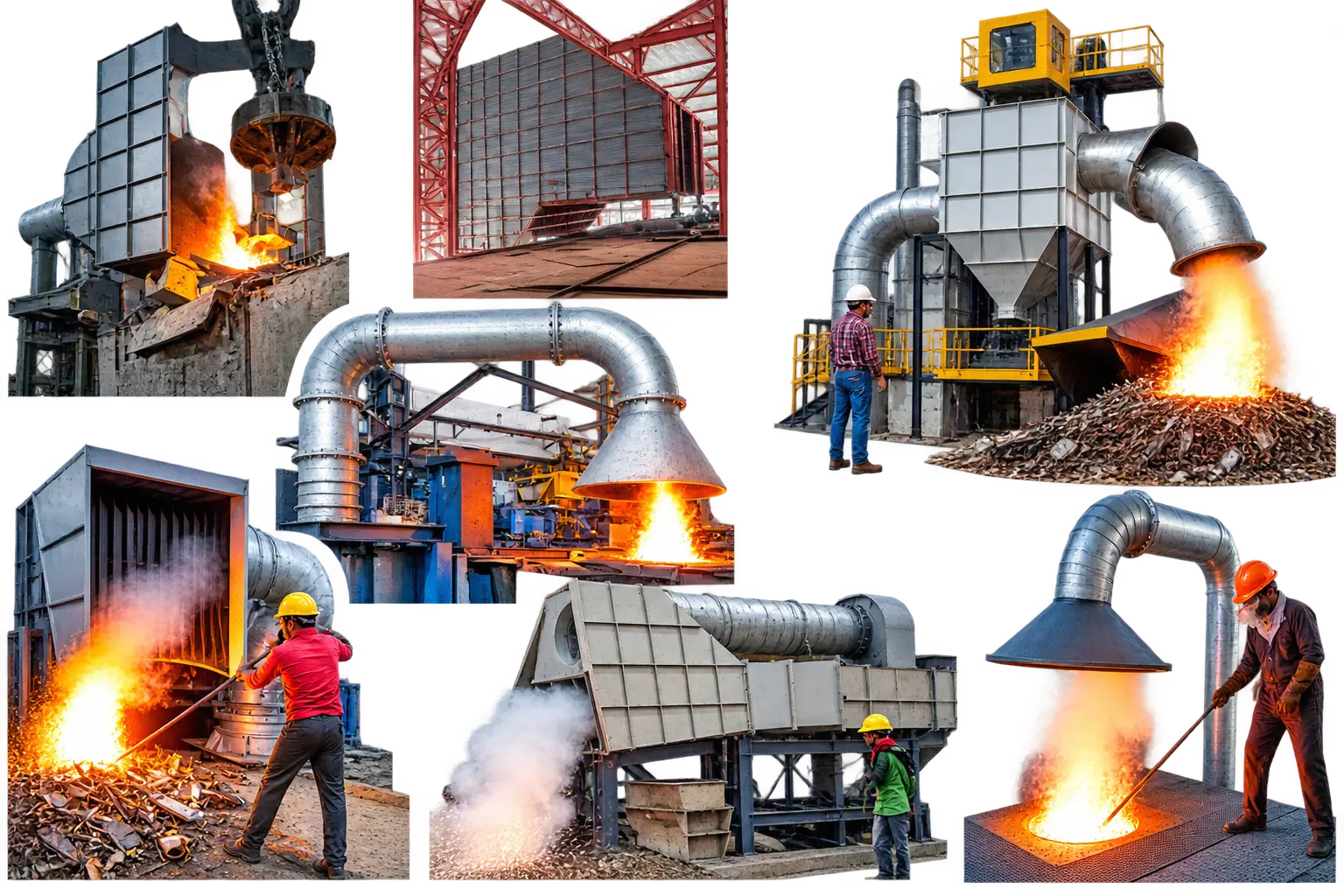
An air pollution control system is crucial in maintaining a safe and healthy working environment in Direct Reduced Iron (DRI) plants. Bag filters are commonly used in these systems to remove particulate matter and dust from the exhaust gas generated by various production processes. The bag filter system consists of fabric bags that capture the particulate matter, allowing clean air to pass through. The bags are periodically cleaned using a reverse air flow system to remove accumulated dust, ensuring efficient and continuous operation. The use of bag filters in the air pollution control system of a DRI plant helps to reduce the emission of harmful pollutants, promoting a cleaner and healthier environment for workers and the surrounding community. Proper design, installation, and maintenance of the air pollution control system and bag filters are critical to achieving optimal performance and efficiency, reducing operating costs and ensuring regulatory compliance.
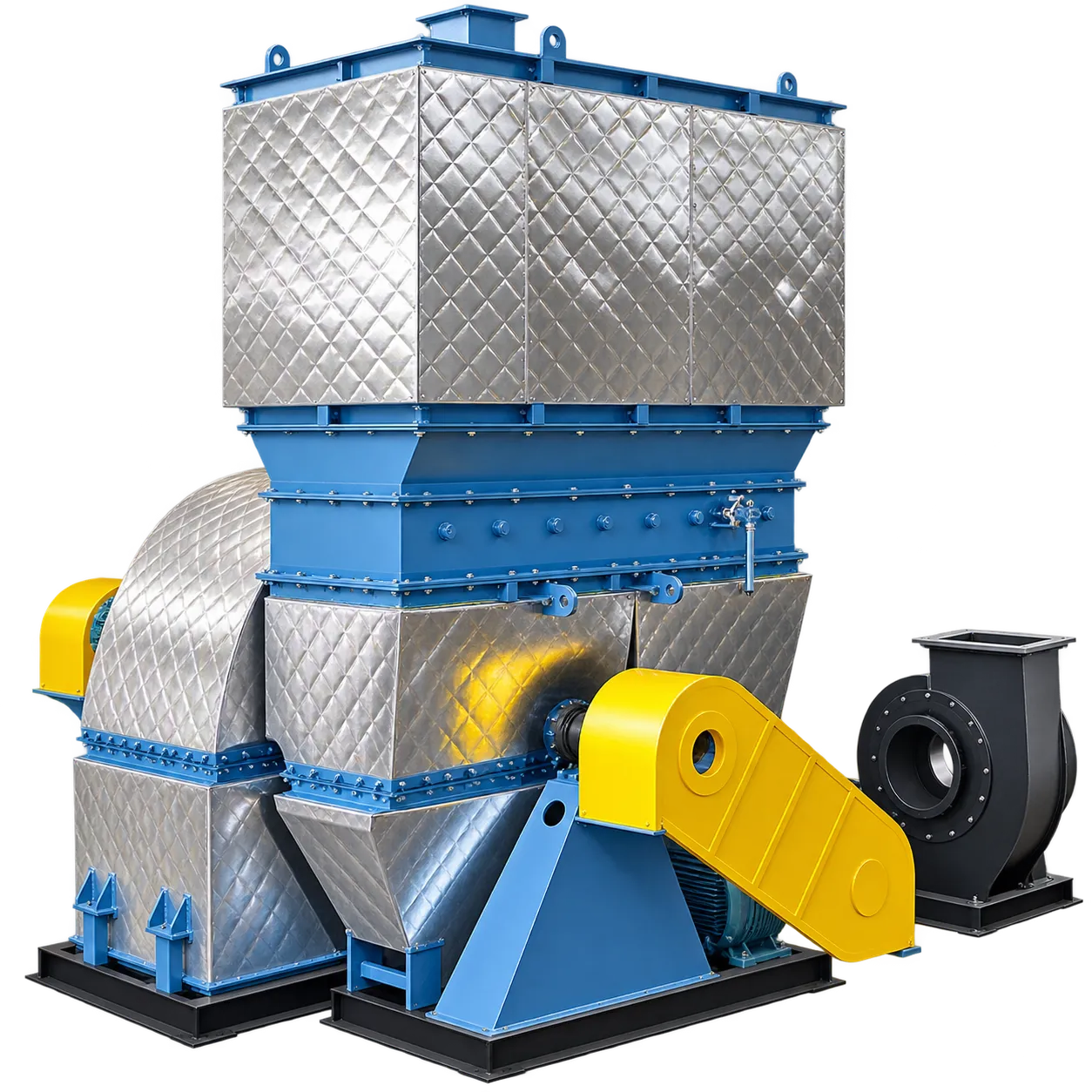
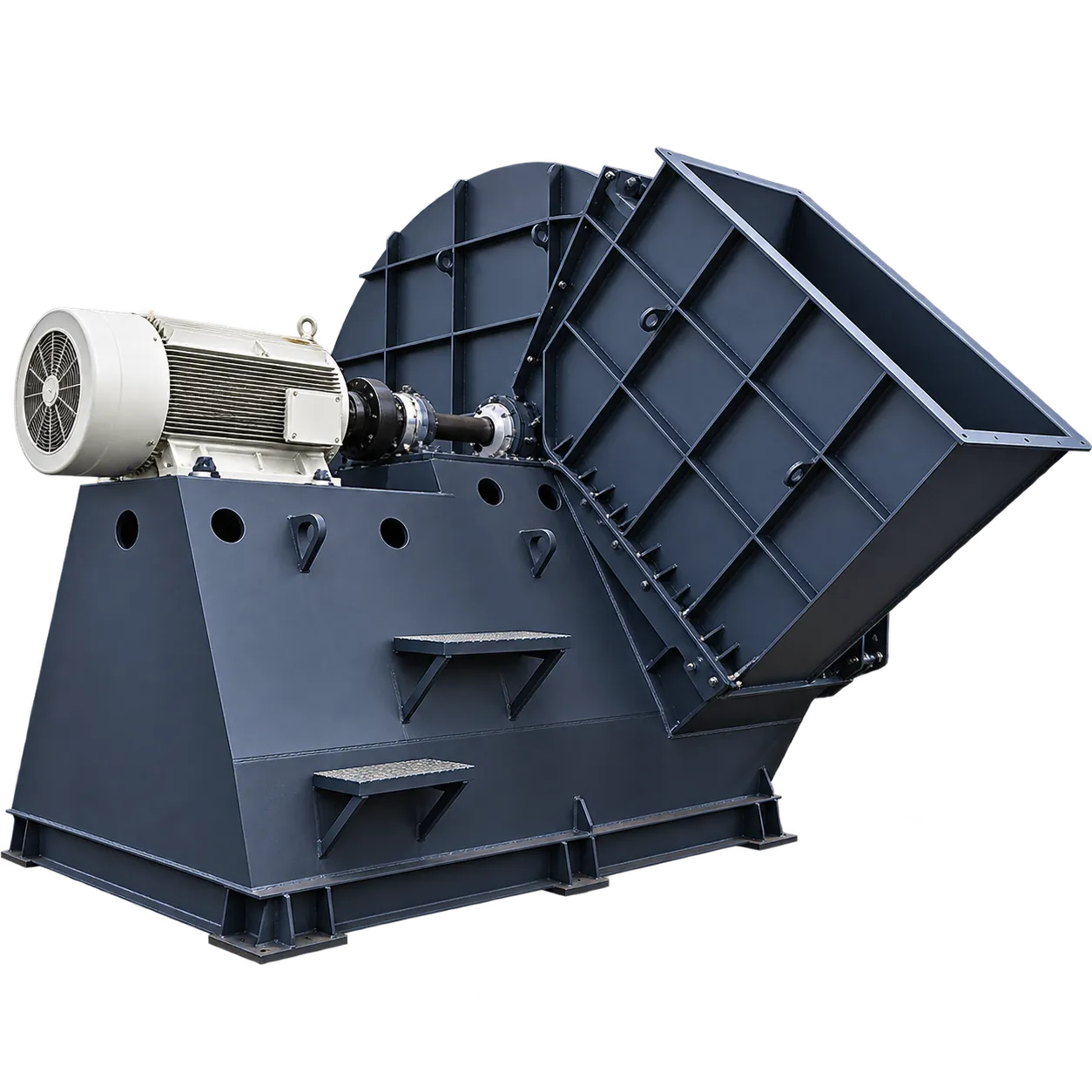
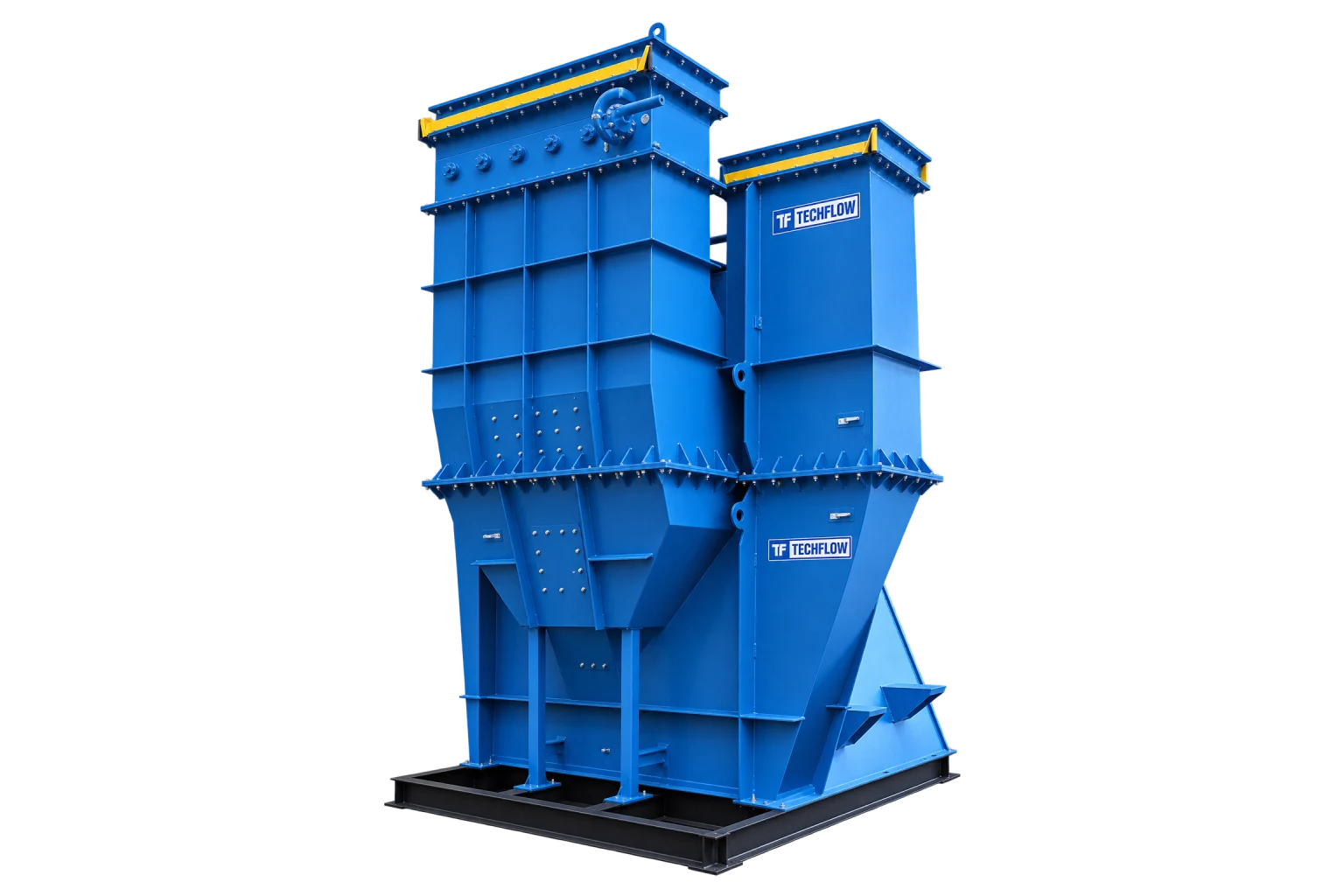
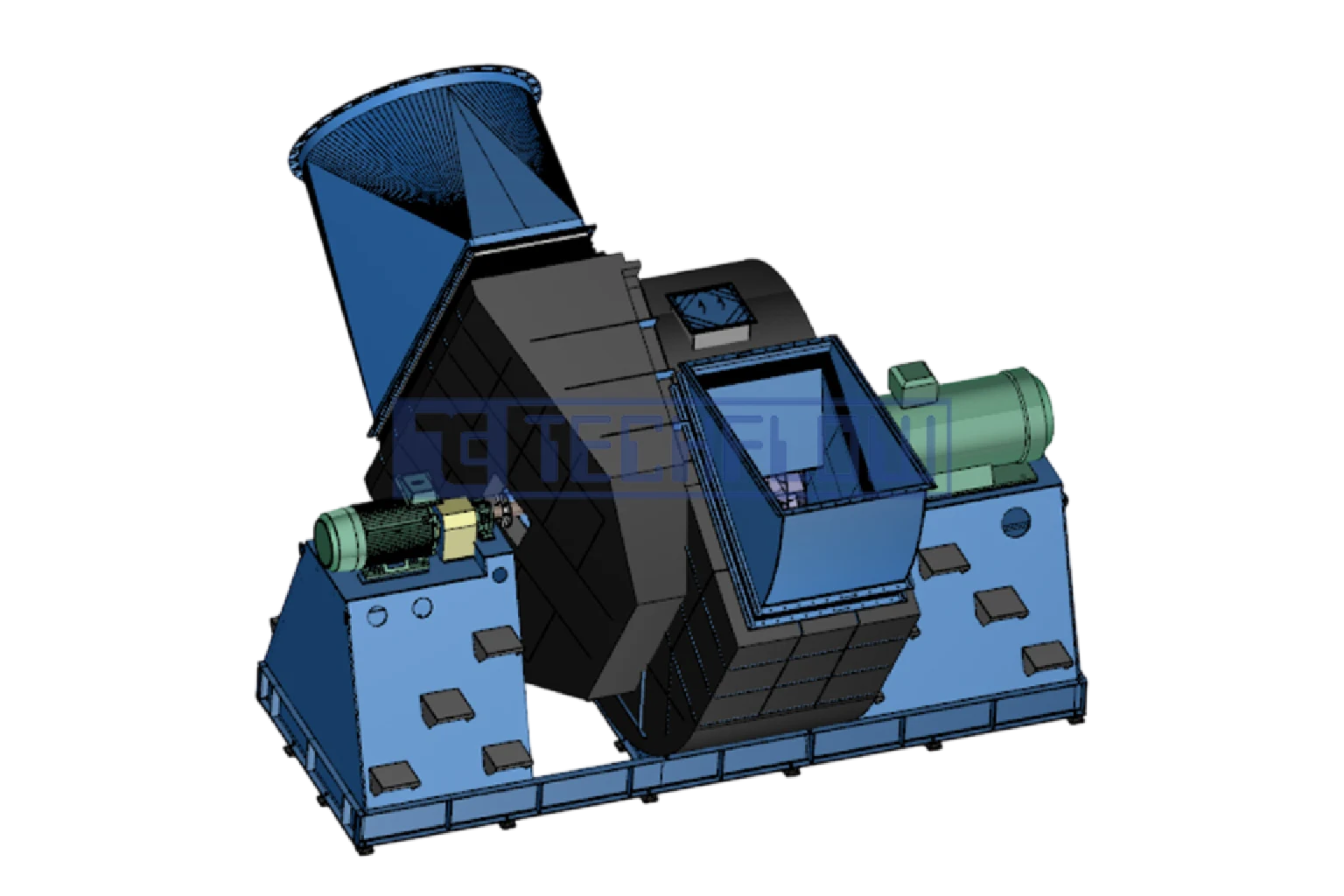
Centrifugal blowers and ID fans play a critical role in the operation of Direct Reduced Iron (DRI) plants. These equipment supply the required combustion air to the process and extract the flue gases generated during the process. There are several types of centrifugal blowers and ID fans used in DRI plants, such as backward-curved, forward-curved, and radial fans. Each type has unique features that make them suitable for different applications, such as high-pressure or high-volume requirements. Selecting the appropriate type of fan is crucial to achieve optimal performance and efficiency in the DRI plant. Proper installation, operation, and maintenance of the centrifugal blowers and ID fans are critical to the safe and efficient operation of the plant, reducing downtime and maintenance costs.
Pneumatic conveying systems are an essential part of the operation in Direct Reduced Iron (DRI) plants. These systems are used to transport materials, such as iron ore and coal, from one process to another. The system uses high-pressure air to convey the materials through pipes and ducts, ensuring a dust-free environment. Pneumatic conveying systems in DRI plants are available in various configurations, such as dense phase, dilute phase, and vacuum conveying systems. The selection of the appropriate type of pneumatic conveying system depends on the material characteristics, distance, and capacity requirements. Proper design and installation of pneumatic conveying systems are crucial to ensure a smooth and efficient process flow in the DRI plant, reducing downtime and maintenance costs.