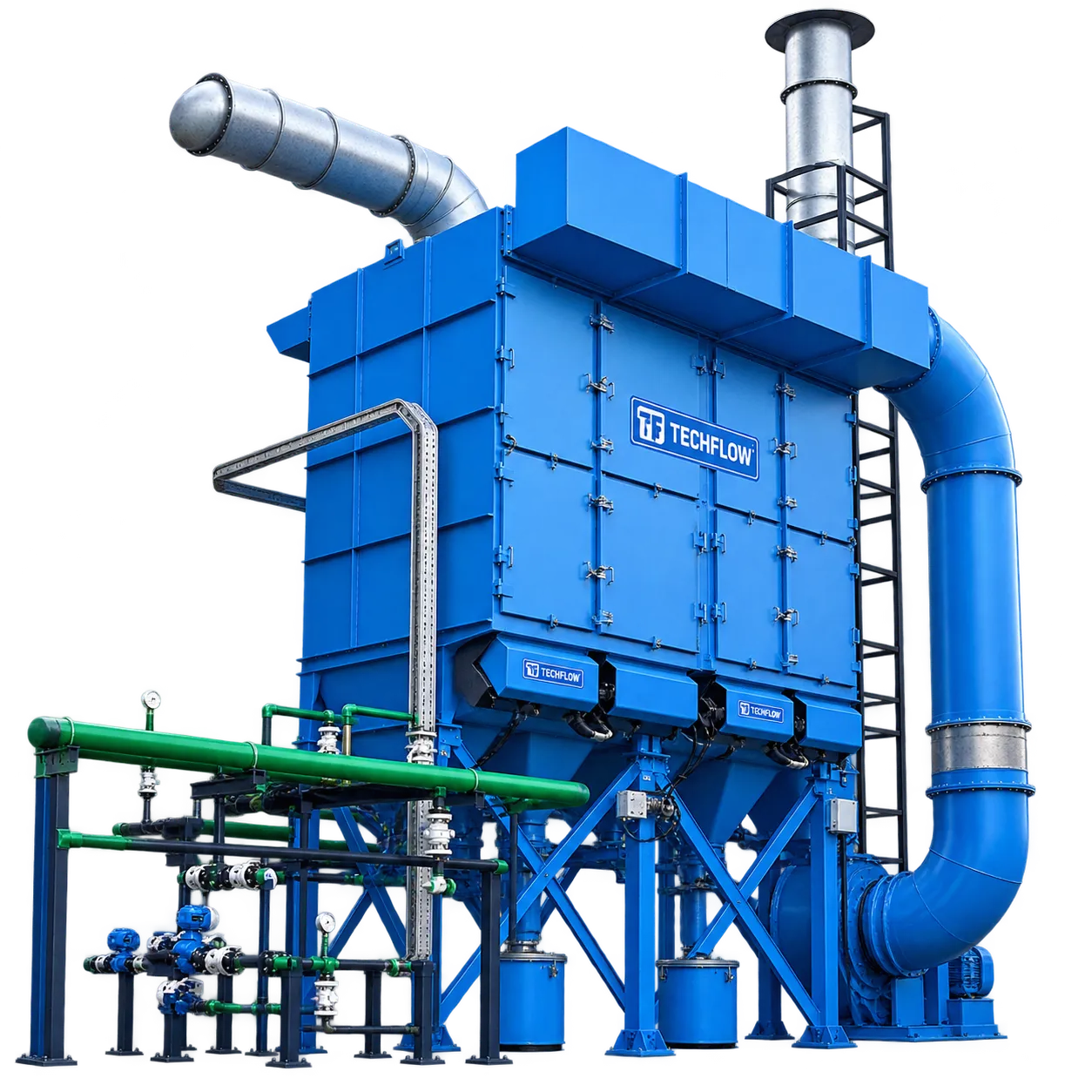
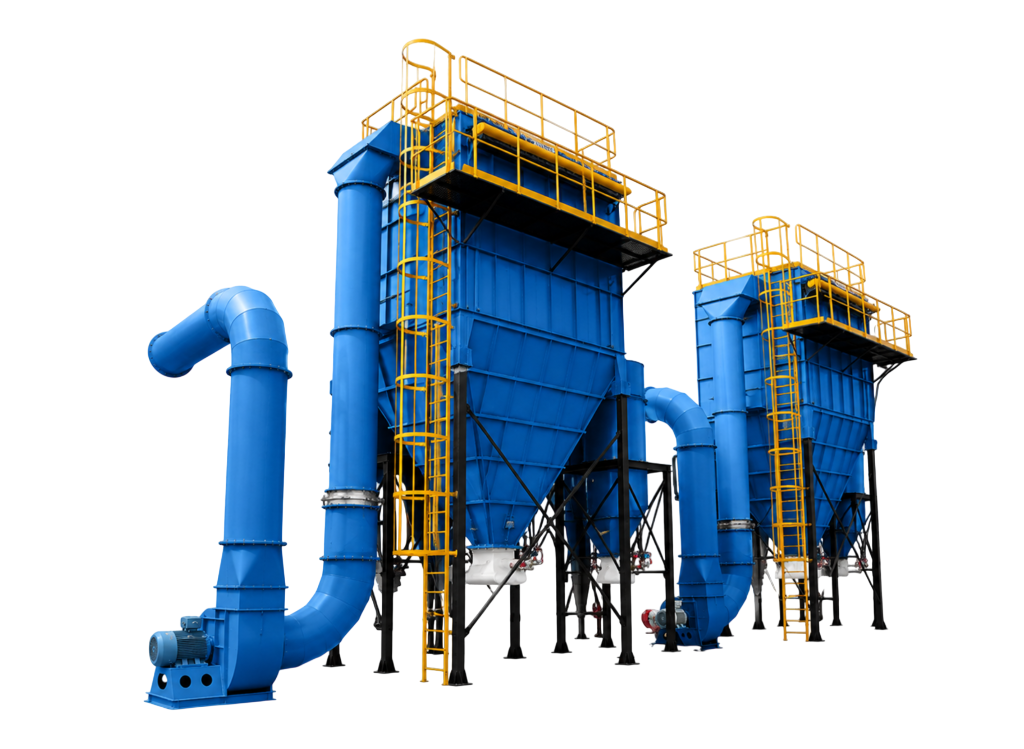
Proper design, installation, and maintenance of dust collection systems are crucial to achieving optimal performance and efficiency, reducing operating costs, and ensuring regulatory compliance. The use of these technologies in the masterbatch, pigment, and paint industry helps to reduce emissions, promote a cleaner and healthier environment, and improve the overall sustainability of production.
In conclusion, dust collection systems are essential in the masterbatch, pigment, and paint industry, capturing and removing airborne dust, particulate matter, and fumes generated during the production process. Cyclone dust collectors, baghouse dust collectors, and cartridge dust collectors are commonly used, and their proper design, installation, and maintenance are crucial to achieving optimal performance and efficiency while reducing operating costs and improving sustainability.
Pneumatic conveying is a widely used technology in the masterbatch, pigment, and paint industry, where it is used to transport powders and granular materials from one location to another. Pneumatic conveying systems are commonly used in this industry for conveying raw materials, finished products, and by-products, ensuring a continuous and efficient production process.
Pneumatic conveying systems can be classified into three categories: dilute-phase conveying, dense-phase conveying, and vacuum conveying. Dilute-phase conveying uses low-pressure air to convey materials, while dense-phase conveying uses high-pressure air to convey materials in a more concentrated form. Vacuum conveying, on the other hand, uses suction to move materials through a pipeline.
The use of pneumatic conveying systems in the masterbatch, pigment, and paint industry helps to improve the efficiency of the production process, reduce manual handling, and improve the overall product quality. These systems are designed to handle a wide range of materials and can be customized to meet specific production requirements.
Proper design, installation, and maintenance of pneumatic conveying systems are crucial to achieving optimal performance and efficiency, reducing operating costs, and ensuring regulatory compliance. The use of these technologies in the masterbatch, pigment, and paint industry helps to reduce emissions, promote a cleaner and healthier environment, and improve the overall sustainability of production.
In conclusion, pneumatic conveying is widely used in the masterbatch, pigment, and paint industry, helping to transport powders and granular materials efficiently and continuously. Dilute-phase conveying, dense-phase conveying, and vacuum conveying are commonly used, and their proper design, installation, and maintenance are crucial to achieving optimal performance and efficiency while reducing operating costs and improving sustainability.