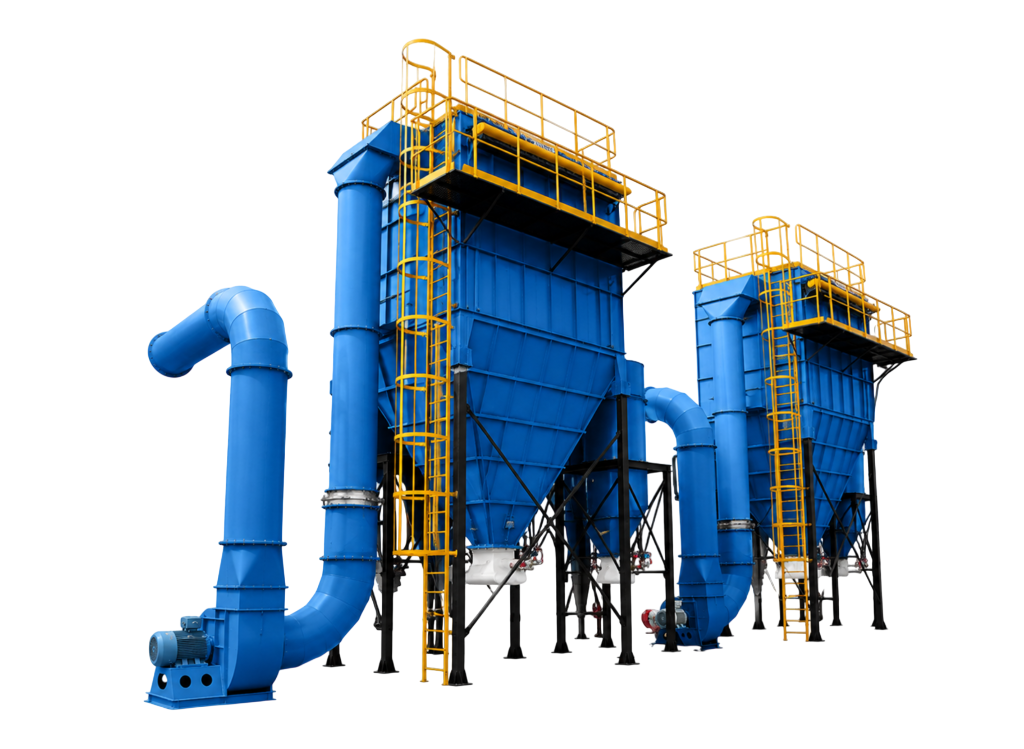
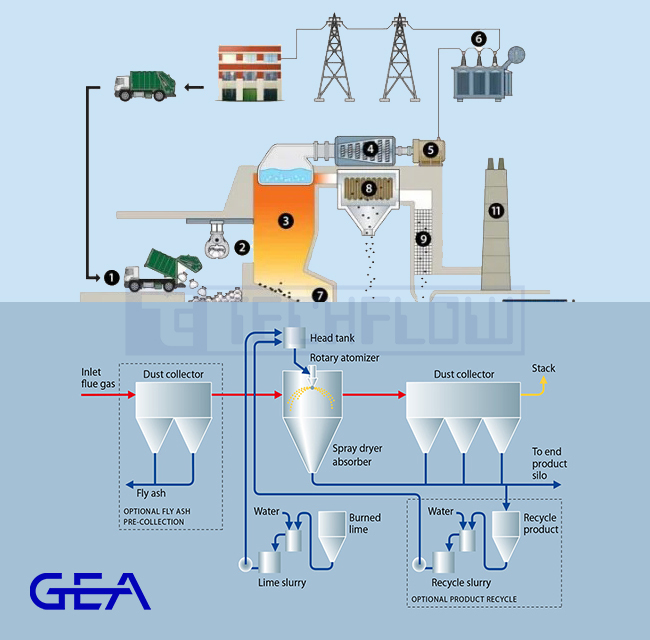
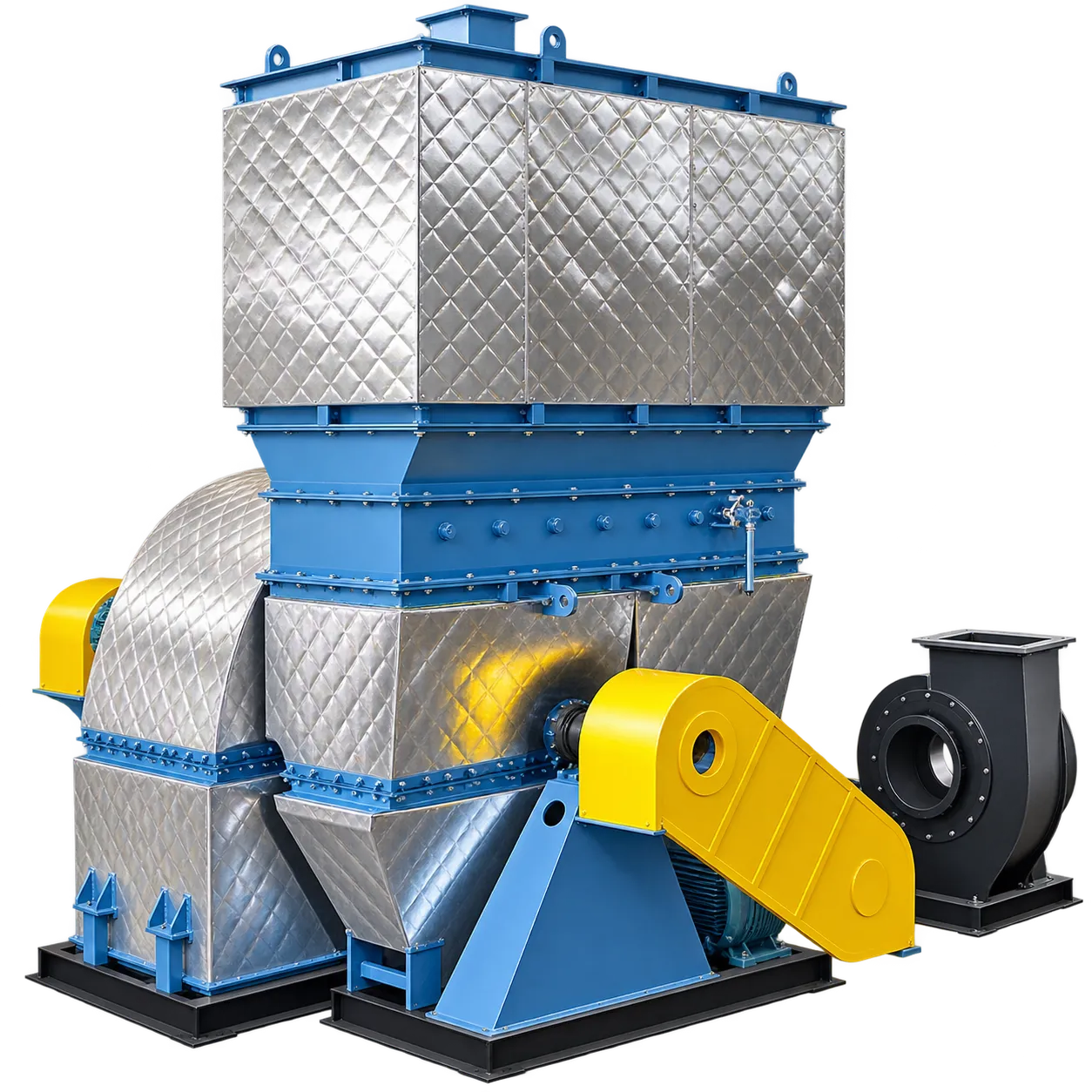
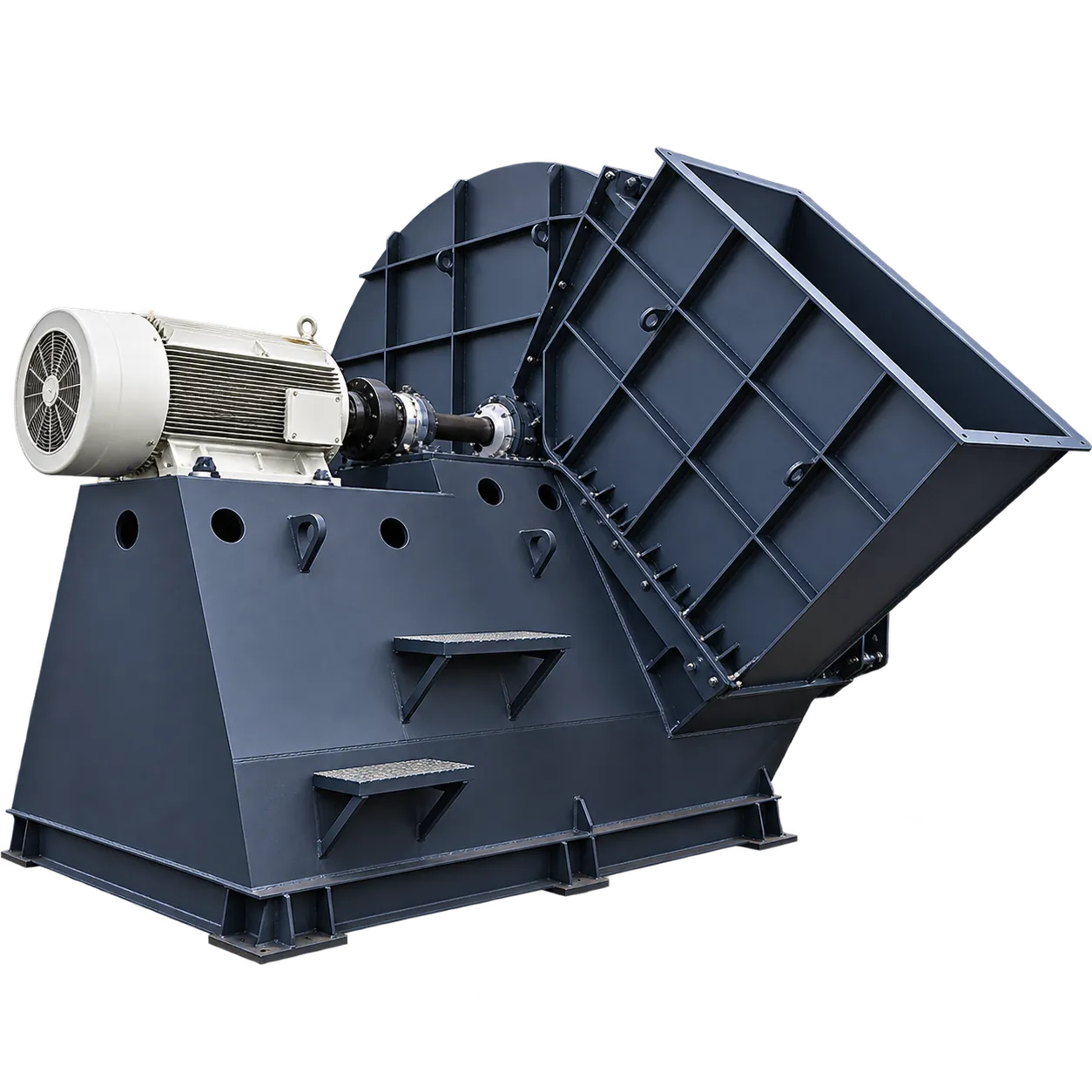
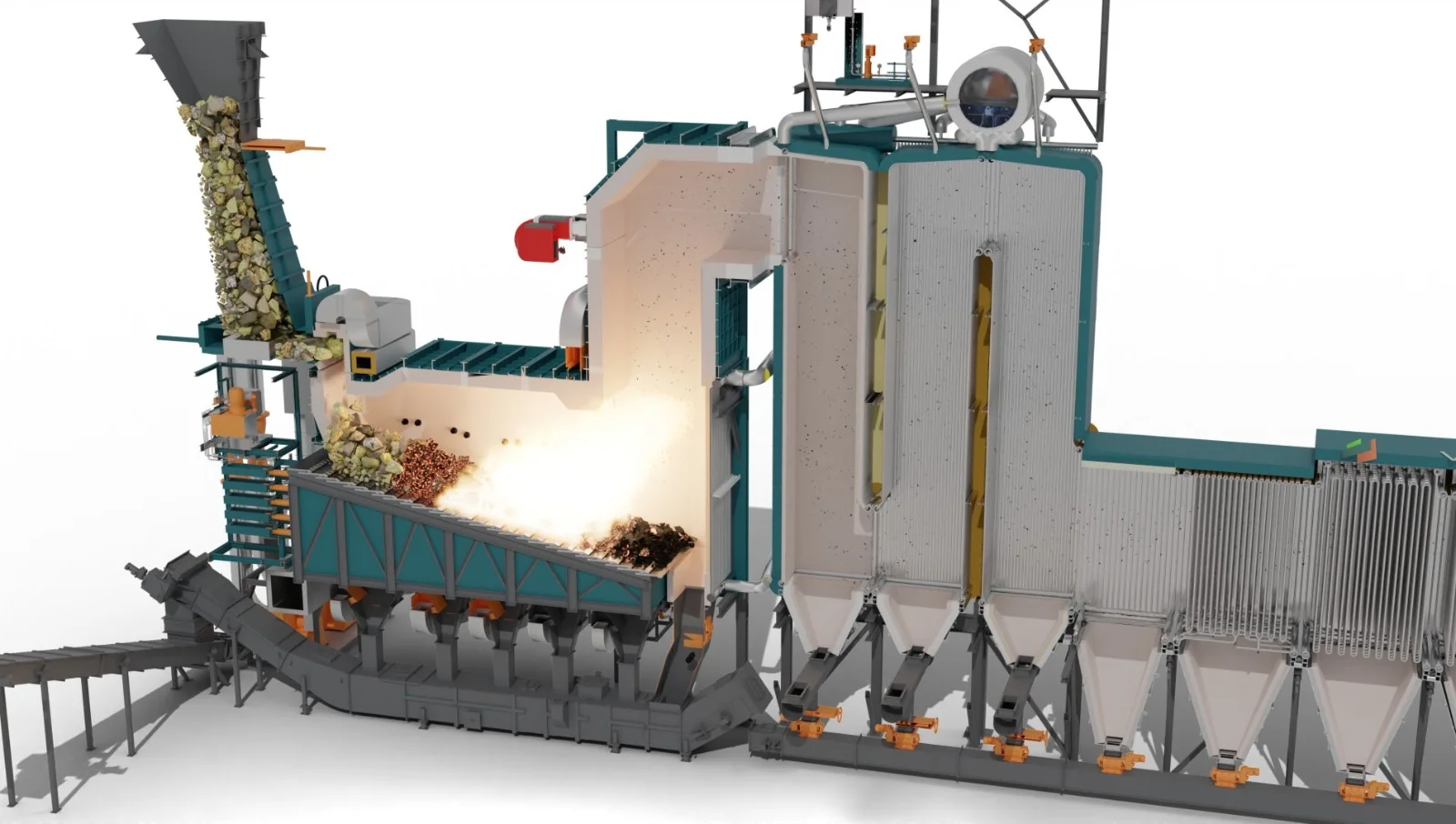
Air pollution control systems are an integral part of waste-to-energy plants, which are designed to convert waste into useful energy while minimizing environmental impact. These plants generate various emissions, including particulate matter, gases, and pollutants, which can have a significant impact on air quality and public health. Air pollution control systems in waste-to-energy plants are designed to capture and remove these emissions, ensuring compliance with regulatory standards and reducing the plant’s impact on the environment.
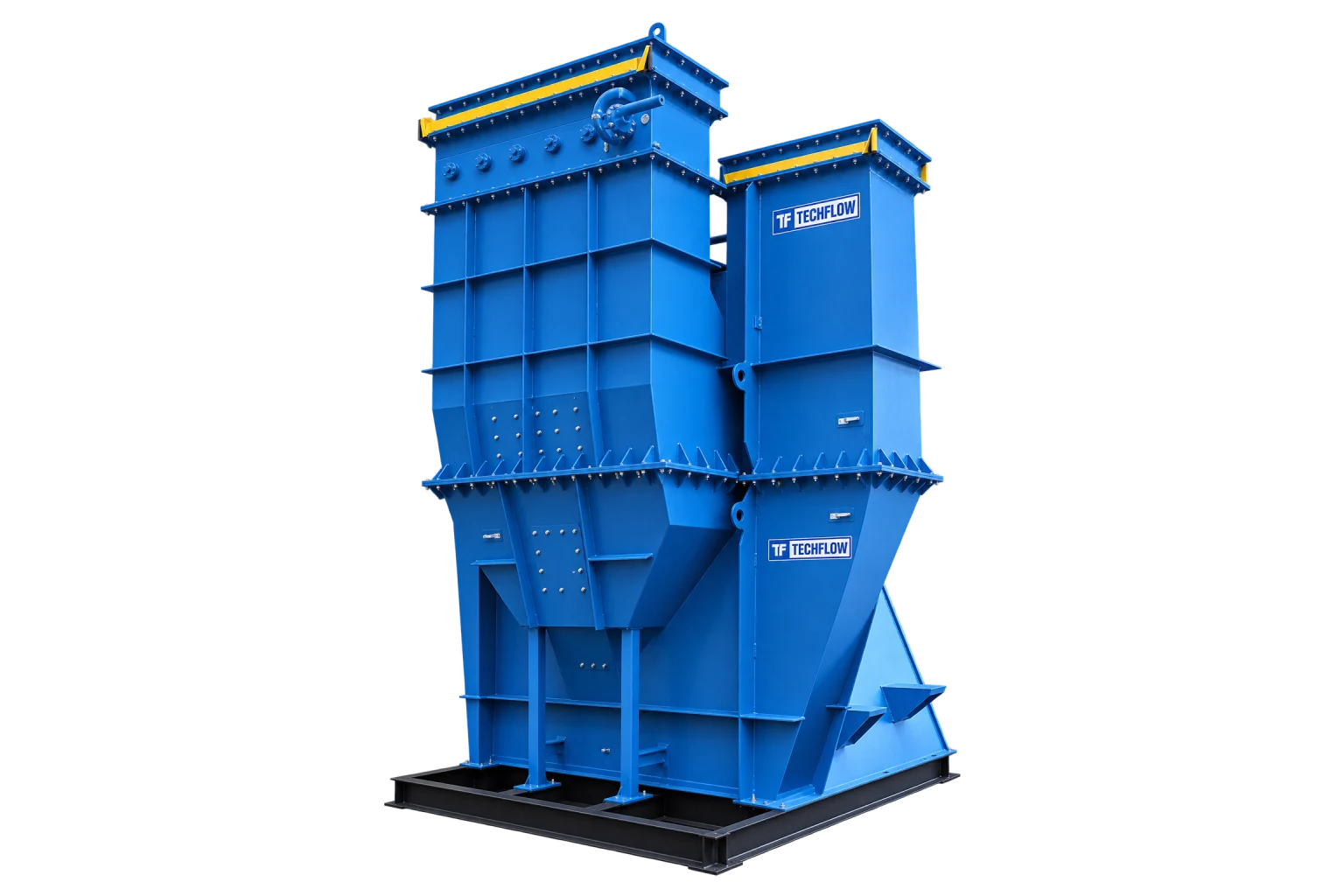
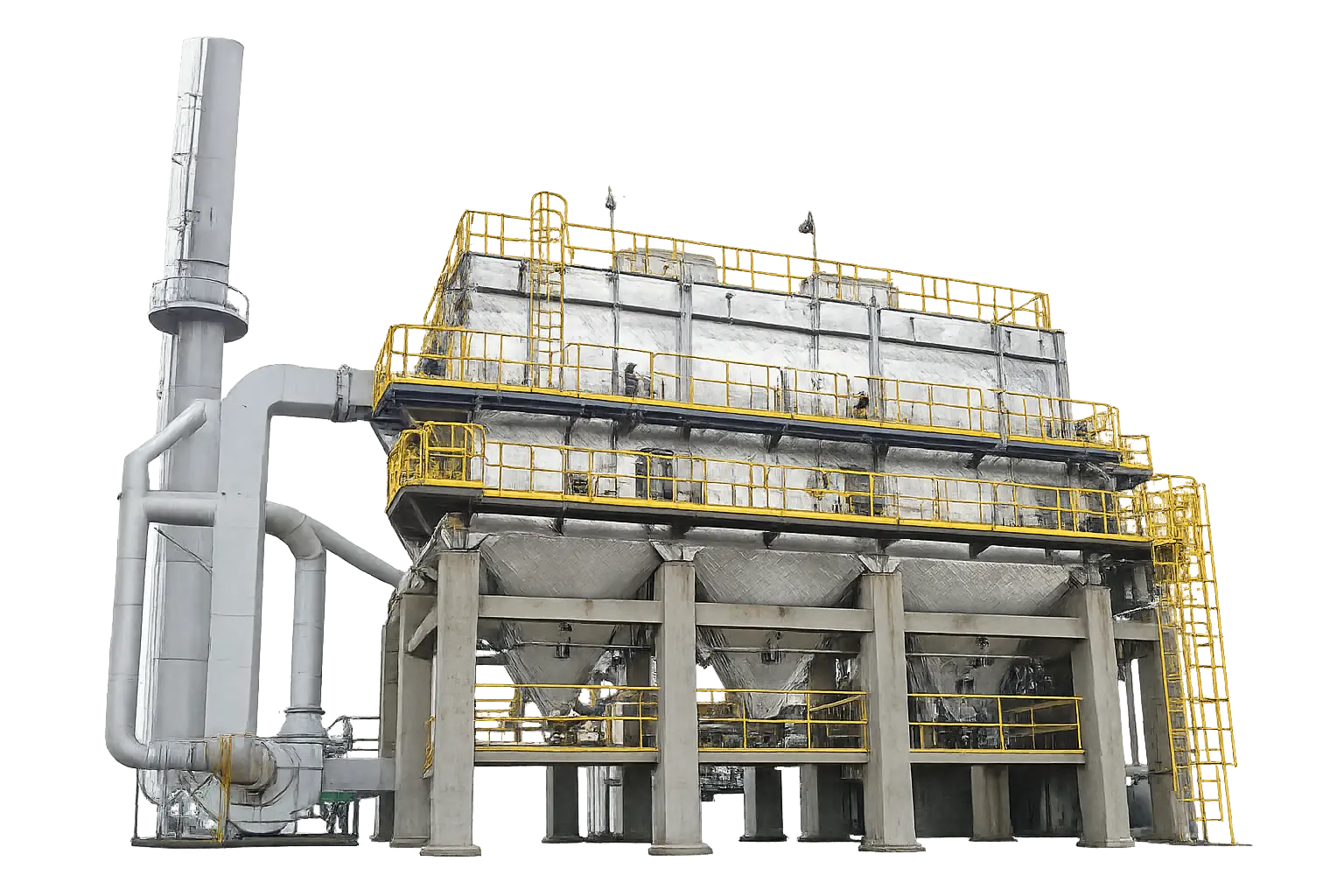
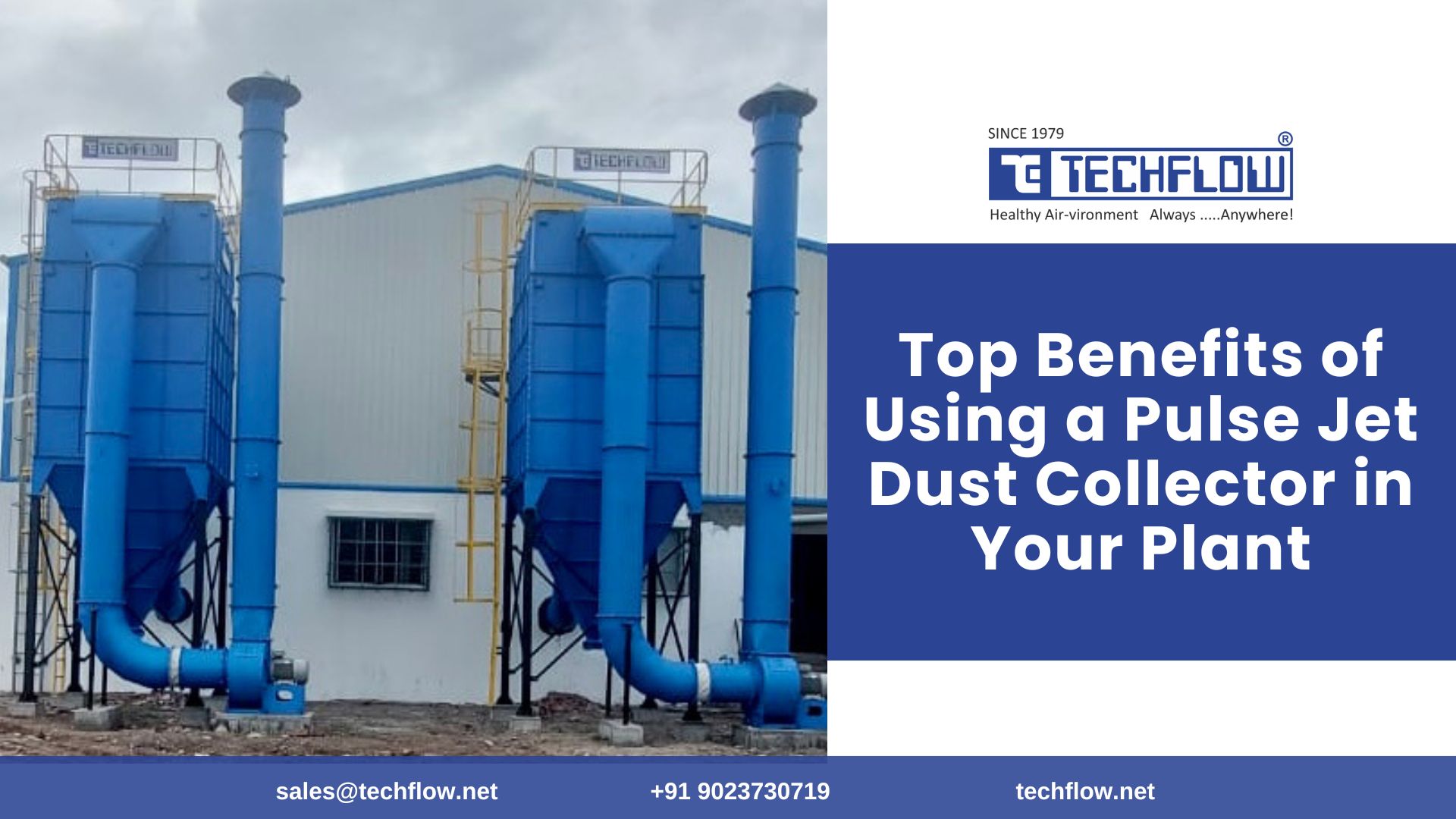
One common air pollution control technology used in waste-to-energy plants is the flue gas treatment system, which typically consists of a series of filters and scrubbers that remove particulate matter and pollutants from the exhaust gases. In addition, electrostatic precipitators (ESPs) and fabric filters (baghouses) may be used to capture and remove particulate matter.
Another important technology used in waste-to-energy plants is selective catalytic reduction (SCR), which is used to reduce emissions of nitrogen oxides (NOx) by converting them to nitrogen and water using a catalyst. This technology can significantly reduce emissions of NOx, which can contribute to smog, acid rain, and respiratory issues.
Overall, the use of air pollution control systems in waste-to-energy plants is crucial to promoting a cleaner and healthier environment while maximizing the benefits of waste-to-energy technology. By capturing and removing emissions, these systems help to ensure compliance with regulatory standards, reduce the plant’s environmental impact, and improve air quality for surrounding communities.