


Power Plant
Air pollution control systems, bag filters, and electrostatic precipitators (ESPs) are essential components in power plant operations. Power plants generate various emissions, including dust, particulate matter, and gases, which can have a significant impact on the environment and human health. Bag filters and ESPs are commonly used in power plants to capture and remove particulate matter and dust from the exhaust gases generated during the production process. The bag filter system consists of fabric bags that capture the particulate matter, allowing clean air to pass through. The ESP works by charging the particulate matter with high voltage, causing it to stick to collecting plates or electrodes, where it can be removed. Proper design, installation, and maintenance of the air pollution control system, bag filters, and ESPs are crucial to achieving optimal performance and efficiency, reducing operating costs, and ensuring regulatory compliance. The use of air pollution control systems, bag filters, and ESPs in power plants helps to reduce emissions, promote a cleaner and healthier environment, and improve the overall sustainability of power generation.
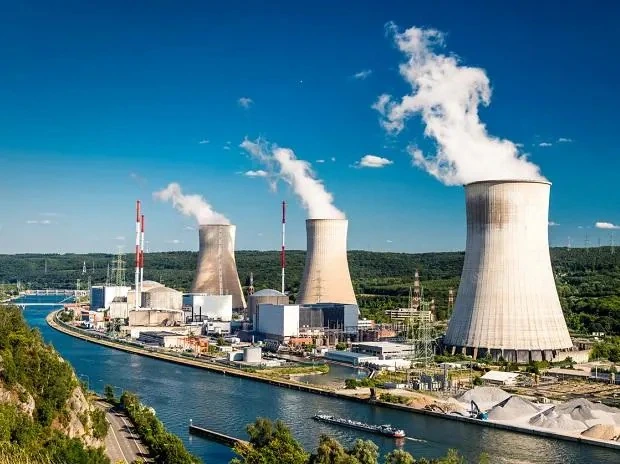
Centrifugal blowers are an essential component in power plant operations. These blowers play a critical role in maintaining the required air flow and pressure for various operations such as combustion, gas handling, and ventilation. Centrifugal blowers use centrifugal force to increase the velocity of the air or gas, providing the required pressure and volume for various applications. Proper selection, installation, and maintenance of these blowers are crucial to achieving optimal performance and efficiency, reducing operating costs, and ensuring regulatory compliance. Advanced technologies such as variable frequency drives (VFDs) can be used to control the speed and power consumption of the blowers, further improving efficiency and reducing energy consumption. The use of centrifugal blowers in power plants helps to ensure the smooth and efficient operation of the production process, improving productivity, reducing downtime, and promoting a more sustainable approach to power generation.